Say you run a baby and kids brand and you have just spent weeks on a studio shoot: white background, folded muslins, a model baby who never cries on camera. The ad looks clean. It also sits there, barely converting, because the parent scrolling past it at midnight with a real baby on their hip does not recognise their own life in it.
What does creator marketing for baby and kids brands actually need to show?
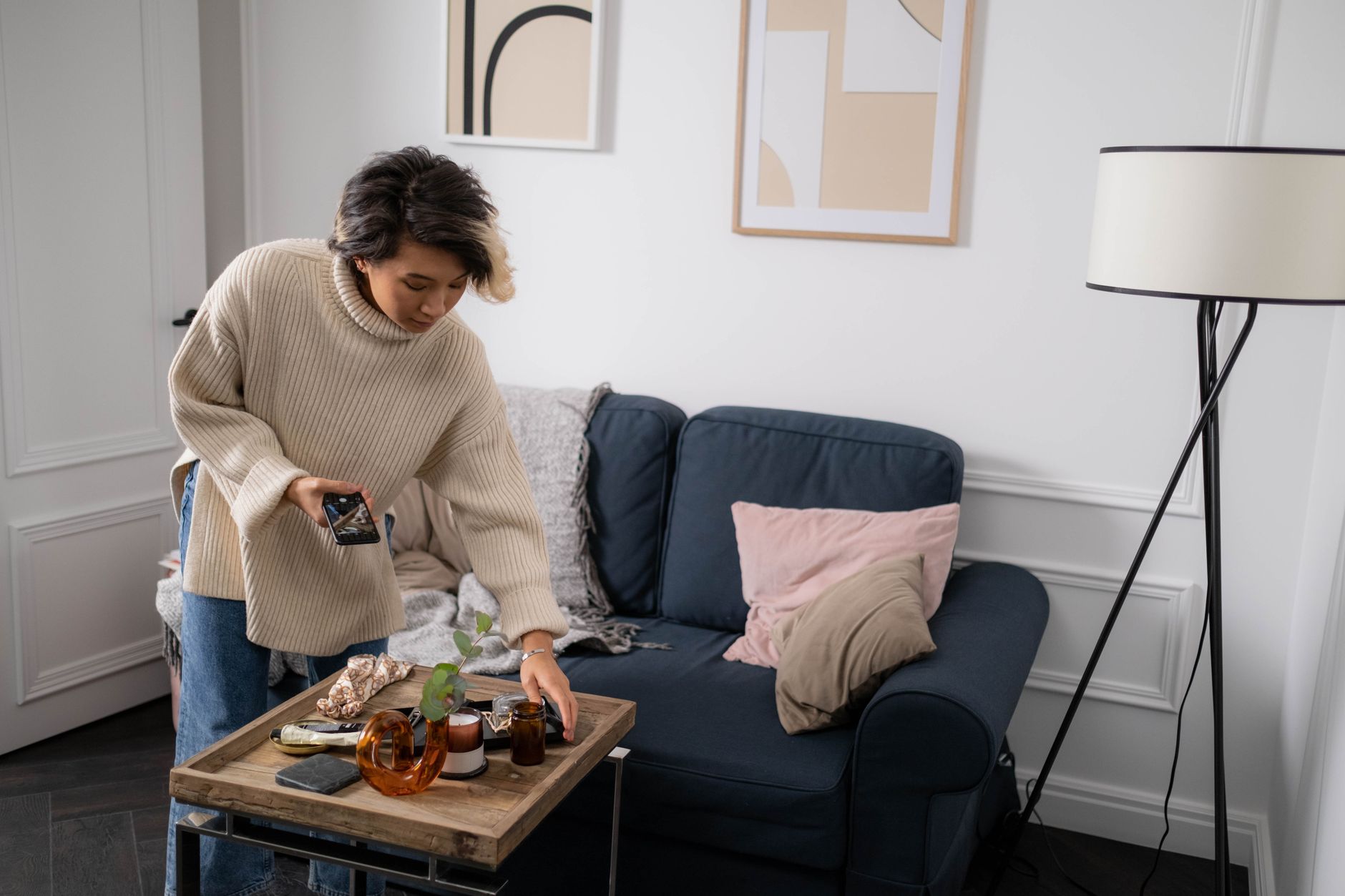
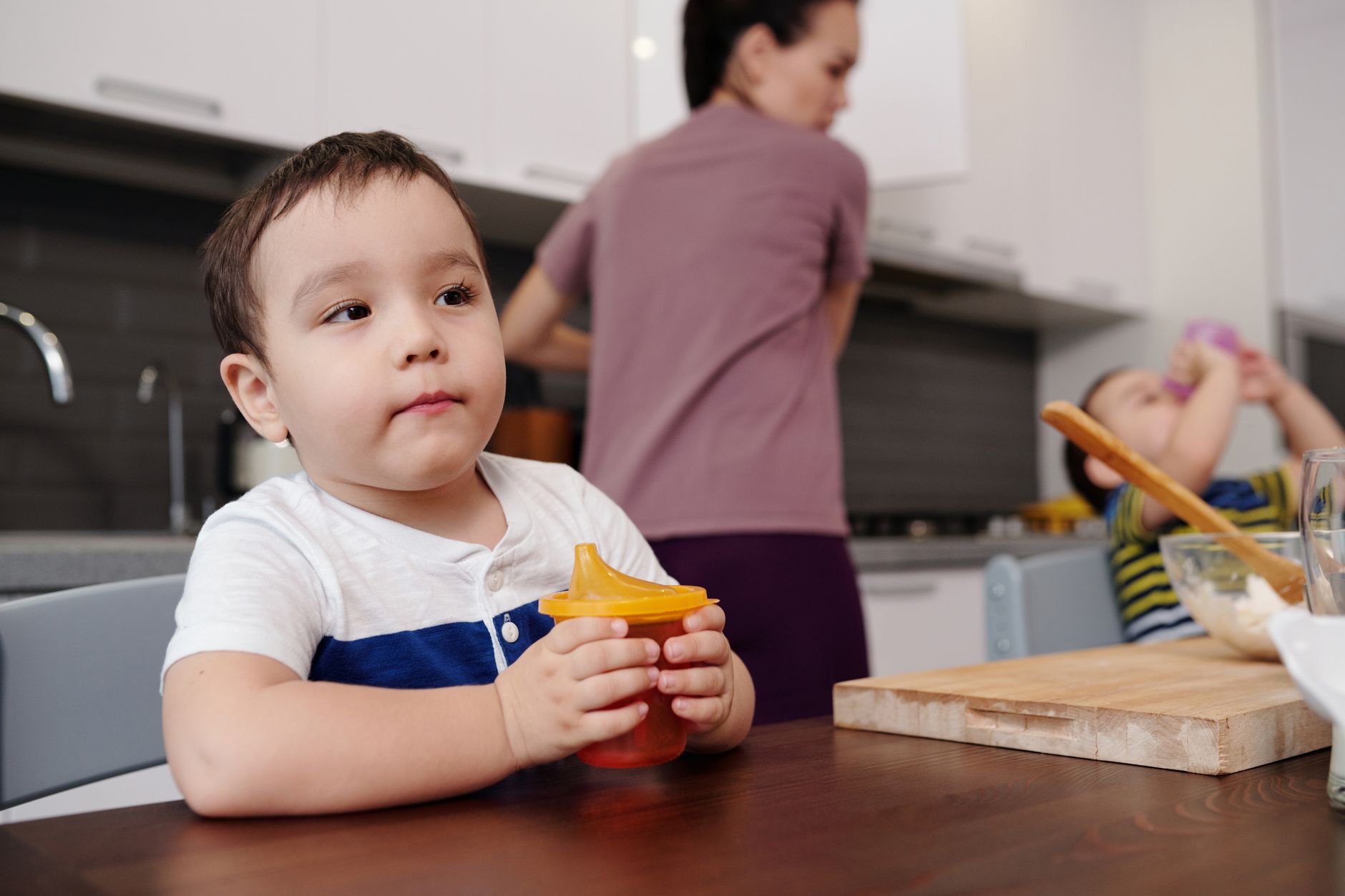
It needs to show an ordinary household using the product in a situation the parent already recognises: a messy high chair, a 2am feed, a car seat buckled in a real back seat, a toddler refusing to wear the thing you sent. Creator marketing for baby and kids brands works when the content looks like evidence, not advertising. Parents are not evaluating whether your product is pretty. They are checking whether it survives contact with their actual child.
That is a different brief to most ecommerce categories. A skincare routine can be shot flattering and calm. A baby product has to be shot true, including the bits that are not flattering, because that is what earns belief.
Why do parents buy on trust before price?
Because the stakes feel higher. Nobody wants to be the parent who bought the cheap option and regretted it on a safety or a sleep product. So parents research further than they would for a coffee or a candle, reading reviews, watching unboxing clips, asking other parents in group chats before they click buy. A competitor's lower price does not win if your product looks untested. A creator who has actually used the thing for a month, with the same brand of chaos in their house that the viewer has in theirs, closes that gap faster than any discount code.
This is also why a single polished ad rarely moves a baby brand on its own. One video from one household reads as one data point. A spread of creators, each showing their own version of the same routine, reads as a pattern, and patterns are what convince a nervous buyer.
Which creators move baby and kids products?
Parent creators with genuine households, not professional set builders. Someone with a toddler and a newborn under one roof, filming in their own kitchen, carries more weight than a creator with a studio-grade nursery built for content. Niche matters too: a creator whose feed is newborn sleep is a different fit to one whose feed is managing three kids under six, even if both sit under
Smaller creators tend to outperform here for the same reason they do in other categories: their audience is other parents who trust them specifically, not a general follower count. We have written about why that holds across categories in our piece on micro influencers for ecommerce brands, and it applies especially hard to baby and kids, where the audience is buying into a specific family's judgement.
On Linkable, this is where AI-powered matching and application review earn their keep: you can filter for parent creators whose existing content already matches your product stage (pregnancy, newborn, toddler, school age) rather than sorting through a general creator pool by hand.
How do you brief a baby or kids creator without scripting the family?
Brief the moment, not the line. Tell the creator what you want the viewer to believe by the end of the clip (this bottle survives a toddler throwing it, this carrier actually fits a smaller frame, this snack gets eaten without a fight) and let them choose how their own household shows it. Scripted dialogue from a four-year-old reads as fake instantly, and parents are the audience least forgiving of fake.
If you want a structure for this that still stops reshoots and vague feedback, our creator brief template for ecommerce works for baby and kids brands with one change: replace
How do you handle gifting and safety claims for kids products?
Gifted product is the natural starting point for most baby and kids campaigns, since parents want to try before they trust, and a free product removes that barrier without you overpaying before you know a creator converts. As a creator proves out, move the strongest ones to a paid or affiliate structure so they are rewarded for sales, not just posts. Our guide on gifted vs paid creator collaborations covers how to make that call.
Claims need more care in this category than almost any other. A creator saying a product
If your product has consumable or safety-adjacent elements (formula, first foods, car seats, sleep products), agree in advance what a creator can and cannot claim, and give them language they can say in their own words rather than a script to read. Our post on how to brief creators on product claims walks through phrasing that protects you without sounding legal.
What this looks like running end to end
Picture a brand selling a baby sleep product. Instead of one studio ad, they send product to a handful of parent creators across different stages: one with a newborn, one with a toddler who fights bedtime, one with twins. Each films their own routine, in their own home, with their own kid refusing to cooperate on camera at least once. The brand pulls the strongest clips into paid ads, keeps the best-performing creators on an affiliate link for ongoing commission, and tracks which household's content is actually driving tracked sales through Shopify rather than guessing from vanity views.
That last part matters more in this category than most, because the creator who gets the most comments is not always the one driving orders. Reviewing tracked sales per creator, not just engagement, is covered in our piece on how to track which creator content actually drives sales.
Frequently asked questions
Should a baby and kids brand use mostly gifted product or paid deals?
Start gifted to test which parent creators actually produce content you can use, then move your best performers to paid or affiliate terms once you can see which ones drive tracked sales.
Do baby and kids creators need to be parents themselves?
Not always, but a creator with their own household and kids tends to produce content that reads as lived-in rather than staged, which matters more in this category than reach alone.
How many creators should a baby and kids brand work with at once?
Enough to cover a few different stages (newborn, toddler, school age) so you get more than one household's version of the same routine, rather than relying on a single creator's content to carry belief for the whole range.
What platform works best for baby and kids creator content?
Parents research heavily before buying, so platforms where creators can show longer, unscripted routines tend to outperform short polished clips for this category specifically.
Creators apply, you choose who to work with and Linkable handles the rest.
Start your free trial