Someone lands on your product page, likes the top, and then stalls on the size chart. They close the tab. That hesitation, not lack of interest, is the biggest thing killing apparel conversion, and it is exactly what creator content is built to fix.
What does creator marketing for fashion and activewear brands actually involve?
For apparel, creator marketing works best as a mix of fit and sizing content, styling videos that show the product in motion, and a smaller group of affiliate creators whose audience trusts their taste enough to buy without trying it on first. Gifted product gets you the sizing and try-on content. Paid or affiliate deals get you creators who repeat drop after drop and drive tracked sales, not just likes.
That is different from skincare or supplements, where the product does the same thing on everyone. Clothes fit differently on every body, so the content that removes doubt is the content that shows real bodies, real movement, real fabric behaviour under normal light.
Why fit and sizing content matters more than outfit photos
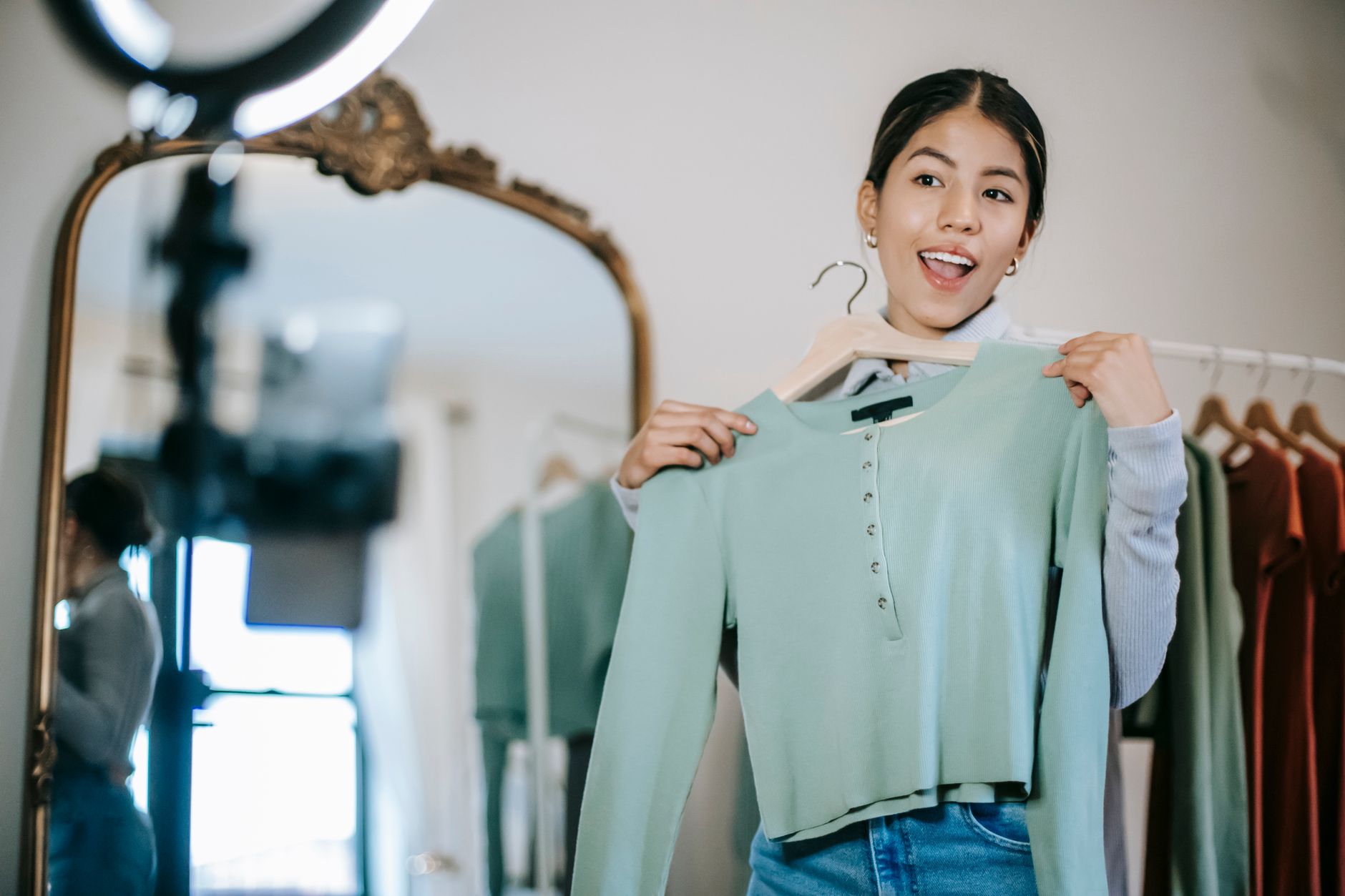
A styled flat lay tells a shopper what the garment looks like. It does not tell them what a size medium looks like on someone their height, or whether the leggings go sheer when you squat. Creators solve this by filming honest try-on content: what size they ordered, how it fits against their usual size, what they'd size up or down for.
Ask creators for a specific detail in the brief, not just
Ask creators for one specific detail in every brief: their height, usual size, and the size they wore on camera. That single line of text under a video does more for conversion than another well-lit product shot. Our creator brief template for ecommerce has a slot for exactly this.
How do styling videos convert differently from paid ads?
A studio ad shows the product. A styling video shows a life the product fits into: layered under a jacket for autumn, paired with trainers for a gym-to-brunch look, restyled three ways in one clip. Shoppers watching apparel content are already picturing themselves wearing it, so the job of the video is to remove the last excuse, not to sell the idea from scratch.
Say you run an activewear label bringing out a new legging colourway. A studio photo shows the colour accurately. A creator filming a gym session in low light, sweating through a set, then showing the fabric holding its shape, answers the real question a buyer has: will this survive a workout, not just a photo.
What happens to returns when creators are driving the sale
Returns are the quiet cost of apparel creator campaigns, and they show up fastest when the content oversells fit or skips sizing detail entirely. A creator who looks great in everything but never mentions sizing will bring in orders that come straight back. The fix isn't fewer creators, it's better briefs and better creator selection: work with people whose body type and sizing notes match a decent slice of your actual customer base, not just people with a big following.
Track returns per creator the same way you'd track sales per creator. If one creator's content consistently drives high refund rates, that's a briefing problem or a fit-mismatch problem worth fixing before you send them the next drop. Linkable's per-creator reporting makes this visible alongside content delivered and tracked sales, so you're not guessing which partnerships are actually profitable once returns are counted.
Which creators actually drive apparel sales
The creators who move product in fashion and activewear are rarely the ones with the biggest following. They're the ones whose audience trusts their sizing calls and keeps coming back season after season. A smaller creator who posts honest try-on content for a specific body type or activity (marathon training, plus-size workwear, petite sizing) often outsells someone with a huge but generic following. We cover why this pattern holds across categories in micro influencers for ecommerce brands.
For a seasonal drop, mix gifted product with a handful of affiliate partners so you're not paying flat fees for content that might not convert, and you have a way to see who's actually selling. If you're planning ahead of a big seasonal push, our Q4 creator campaign timeline covers when to lock in creators before the drop date, not after.
This week, pick one upcoming drop and brief three or four creators with an explicit ask for sizing detail and a try-on clip, not just a styled photo. Set it up as a mixed gifted and affiliate campaign in Linkable so you can see content, reach and tracked sales against returns in one place, or start with creators if you're still building your first list.
Frequently asked questions
Should activewear brands work with fitness creators or fashion creators?
Both, but for different jobs. Fitness creators show performance and fit under movement, which builds trust for technical pieces, while fashion creators show versatility and styling, which helps pieces sell outside the gym too.
How many creators do I need for a seasonal drop?
Start smaller than you think and expand once you see who actually drives tracked sales rather than just views. A mix of a few sizing-focused creators and a couple of styling-focused ones covers the two jobs apparel content needs to do.
Do gifted collaborations work for fit content in apparel?
Yes, gifted product is often the right call for sizing and try-on content since the goal is honest coverage, not reach at scale. Our guide on gifted vs paid creator collaborations explains when to add a paid or affiliate layer on top.
What should I put in a brief for a fit or try-on video?
Ask the creator to state their height, their usual size, and the size worn on camera, plus one honest line on how it fits compared to their normal size. That detail is what turns a styling video into content that also reduces returns.
Creators apply, you choose who to work with and Linkable handles the rest.
Start your free trial