Say you sell a lightweight tent or a hiking stove, and you have just sent a studio-shot creator video to your ad account. It looks clean. It also looks like every other gear ad on the feed, and your return rate on the spend is flat. Meanwhile a creator who filmed the same stove at a windy ridge, cooking dinner as the light dropped, gets watched to the end and saved.
What does creator marketing for outdoor and camping brands actually need?
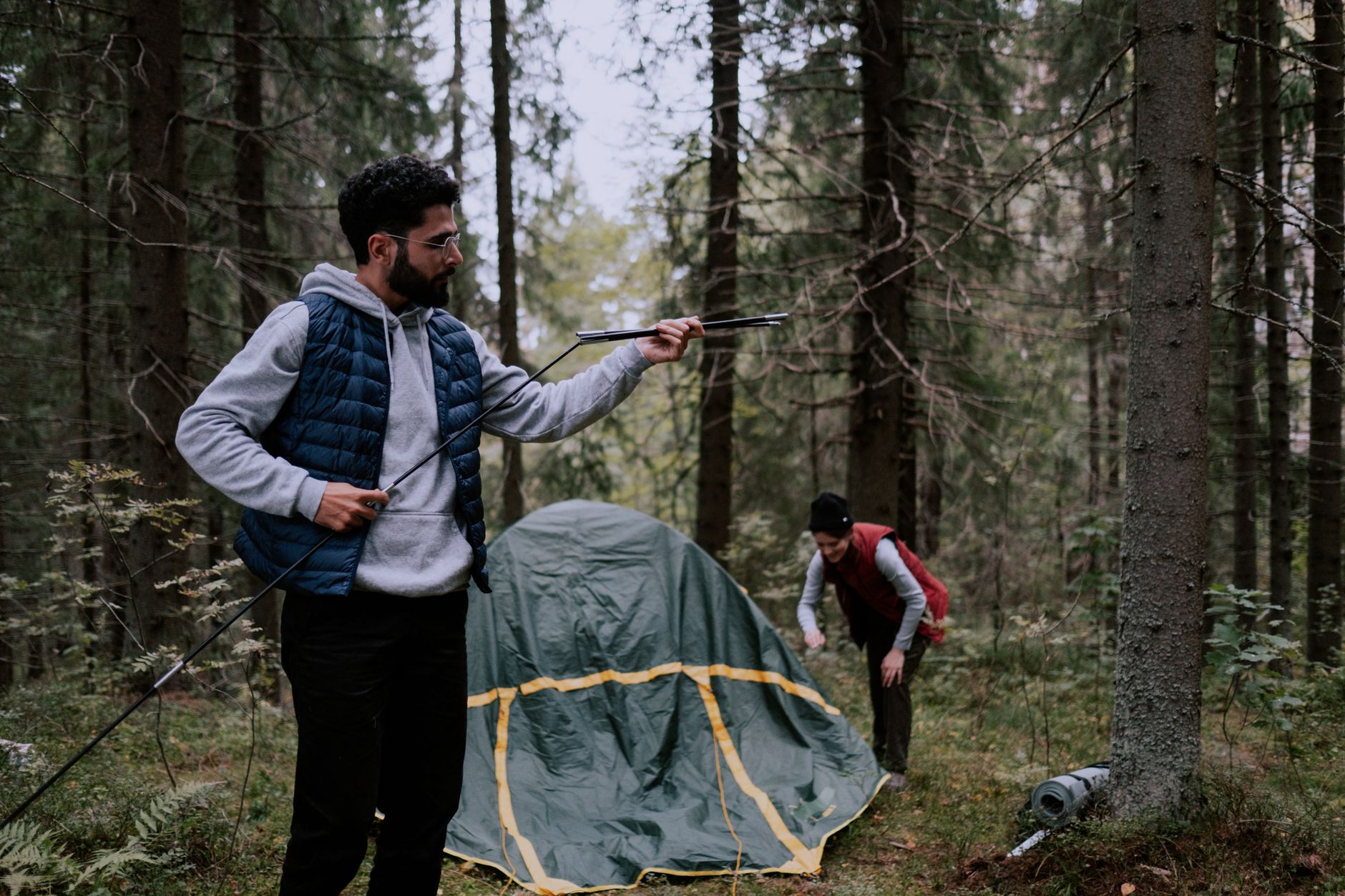
Creator marketing for outdoor and camping brands needs the brief built around where the creator is and when they are there, not around a script of lines to say. A hiker standing on an actual summit, a family pitching a tent in real wind, a van-lifer making coffee at a real pull-off, these settings do the convincing work that a product list cannot. The product gets proven by the place it survives in.
That is a different brief to most ecommerce categories. A skincare routine works on a bathroom counter anywhere. A tent does not prove anything until it is pitched somewhere with actual weather. The location is the claim.
Why does location matter more than the script?
Outdoor buyers are checking whether gear works under conditions they recognise, not whether a creator can deliver a line convincingly. A review filmed at a kitchen table reads as paid content even when it is not. A review filmed halfway up a trail, with the pack still on and the weather still happening, reads as lived experience, and viewers trust it more because there is nowhere to hide a problem with the product.
This is also why seasonal timing matters more here than in most other categories. A down jacket filmed in autumn at altitude sells through winter. The same jacket filmed in a studio in July sells nothing, because nobody buying a jacket is thinking about July. If you only brief for the product, you miss the season. If you brief for where and when, the season comes with it.
How do you brief creators without writing the trip for them?
Give the creator the outcome and the setting, not the dialogue. Tell them the trip or activity you want the content tied to (a weekend car-camping trip, a day hike, a cold-weather commute), the one thing the product needs to show (it packs small, it keeps hands warm, it survives rain), and the length and format you need back. Leave how they talk about it to them, because an outdoor audience can tell a read line from a real one within seconds.
A hypothetical example: a camping cookware brand asks a creator to film one meal cooked at an actual campsite, no studio cutaways, and to show the pan going straight from a backpack into use. No script, just the setting and the one claim. The resulting clip looks like someone's trip, not an ad, and that is exactly why it works as one. Our creator brief template for ecommerce covers the structure for writing this kind of brief without over-specifying it.
How do you time outdoor creator campaigns around the season?
Brief and ship content before the season your buyer is thinking in, not during it. Cold-weather gear needs creators out filming in early autumn so the content is ready as temperatures drop. Summer hiking and camping gear needs the same lead time in spring. If you wait until the peak week to brief creators, you are competing with every other brand's gear ad in the same two weeks, and your content has no time to build reach before demand falls off again.
This lead time is also why a rolling programme beats a single seasonal push. One campaign timed perfectly still only covers one window. A standing relationship with a group of creators who go out regularly gives you content across the whole season, not just the launch week.
Which campaign type fits outdoor gear, gifted, paid or affiliate?
Gifted product works well for lower-cost gear and accessories, where sending a flask or a headlamp to a creator who already camps or hikes gets you honest, location-shot content at low cost. Paid collaboration suits higher-ticket items like tents, packs or stoves, where you need a creator committed to a specific trip and a specific deliverable rather than posting if they feel like it. Affiliate commission works once you have proof a creator's audience actually buys outdoor gear, since it ties their payout to tracked sales rather than content alone. Our post on gifted vs paid creator collaborations goes through how to decide between the two for a given product.
On Linkable, you can run all three types from one campaign and track content, reach and tracked sales per creator, which matters in this category because the creators worth repeating are usually the ones who actually go outdoors, not the ones with the biggest following.
How do you find creators who actually go outdoors?
Check their existing content for real trips before you check their follower count. A creator who posts gear reviews filmed in a living room is not the fit, no matter how large the audience. A creator who posts from actual trails, campsites or climbs, even with a smaller audience, will produce the kind of content this category needs and will keep producing it, because it is what they already do. Our guide on how to find creators for your Shopify brand covers where to look beyond hashtag search.
Set up your first outdoor campaign this week with a specific trip or activity in mind, not a product list. Pick one piece of gear, one setting it needs to prove itself in, and brief two or three creators who already go there. You can set this up through Linkable or get in touch if you want the campaign planned for you.
Frequently asked questions
Do outdoor and camping brands need professional creators or can micro-creators work?
Micro-creators who already hike, climb or camp usually outperform larger creators with no outdoor history, because their audience trusts the setting as genuine rather than staged for a brand deal.
How much lead time should I give creators before a seasonal launch?
Brief and film ahead of the season your buyer is shopping for, not during it, so cold-weather content is ready as temperatures drop and summer gear content is ready before trip planning starts.
Should outdoor creator content be filmed on one trip or over several?
Several trips across a season produce more varied proof points (rain, cold, altitude, long days) than one trip can, and a standing relationship with a creator makes repeat filming easier to arrange.
What is the biggest mistake brands make briefing outdoor creators?
Writing a script for the creator to read rather than specifying the setting and the one claim the product needs to prove, which produces content that looks staged against an outdoor backdrop.
Creators apply, you choose who to work with and Linkable handles the rest.
Start your free trial