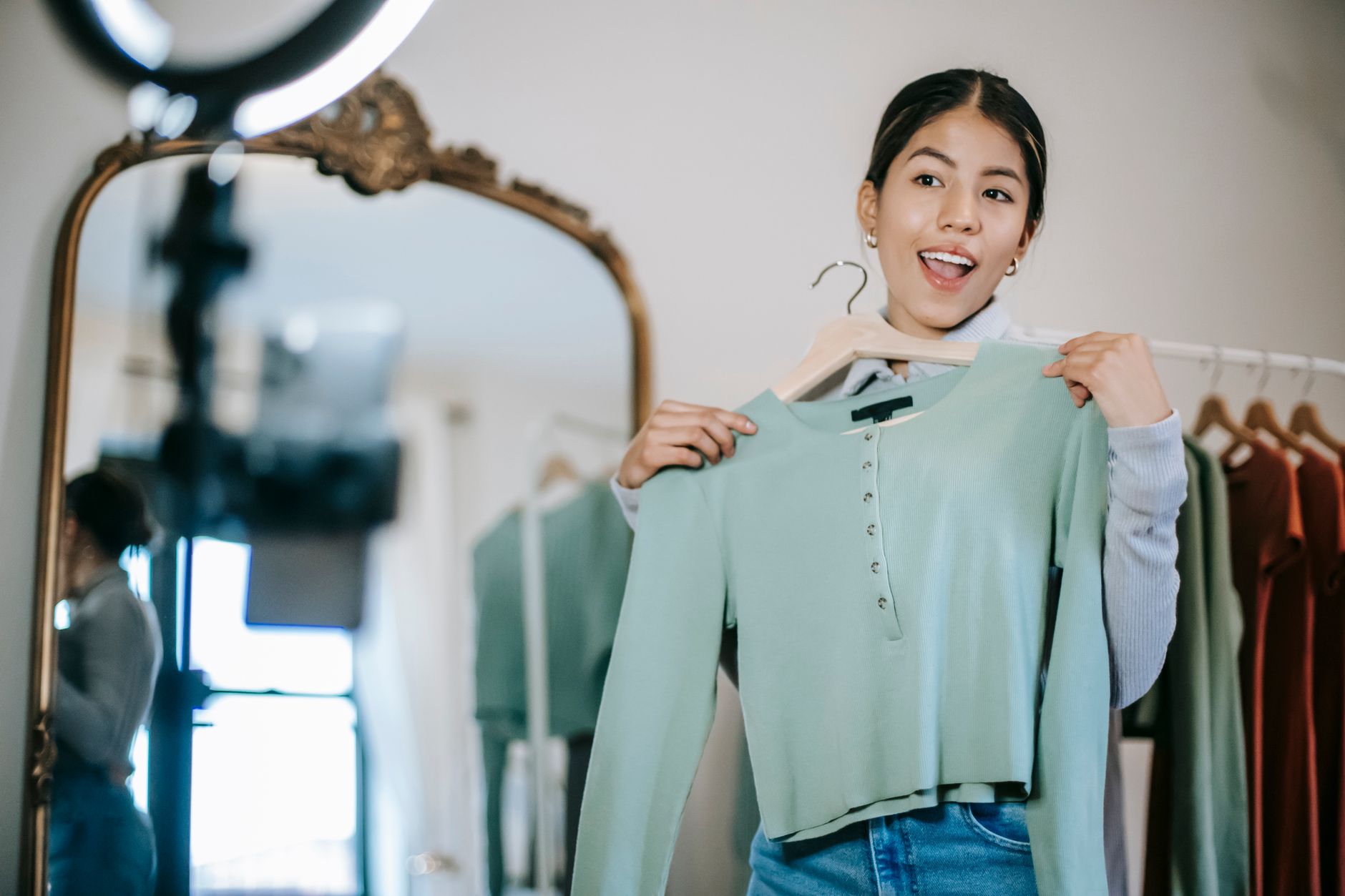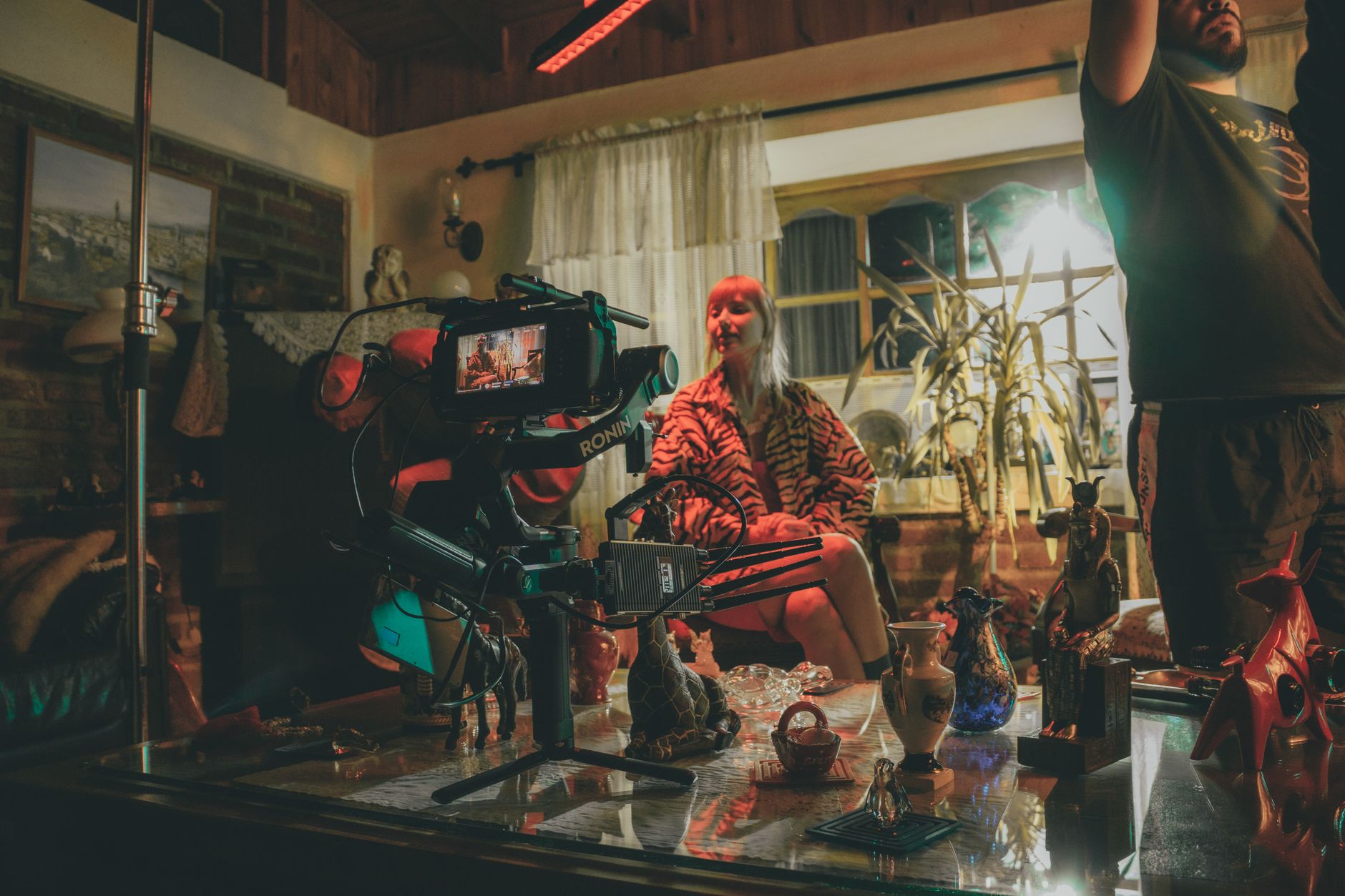
Say you sell ceramic dinnerware or linen bedding. You send a creator the product, they post a ten-second clip holding it up to the camera, and the comments stay quiet. The content you'd get from a skincare or supplement brand, a quick before-and-after or a shaky testimonial, just doesn't translate. Home products don't get chosen because someone talked fast at a phone. They get chosen because a space looked like somewhere the viewer wanted to live.
What does creator marketing for home and lifestyle brands actually look like?
Creator marketing for home and lifestyle brands works when the content shows the product inside a real space over time, not isolated against a white background. That means unboxing footage that lingers on packaging and first impressions, room tours that place the product in context, and content timed to moments when people are actually redecorating or gifting, rather than evenly spread across the year.
The brief has to ask for atmosphere, not just a feature callout. A creator filming a wool throw needs to show the sofa it's draped over, the light in the room, the morning coffee next to it. That's the difference between content that gets scrolled past and content that gets saved to someone's inspiration folder.
Why do unboxing and room tours beat a quick product demo?
Home purchases are considered. Someone looking at a new duvet cover or a dining set is picturing it in their own home before they buy, and unboxing and room tours do that imagining for them. A demo answers
An unboxing clip that shows the box arriving, the unwrapping, the first placement on a shelf gives the viewer permission to want the thing before they've even seen it used. A room tour goes further: it shows the product living alongside other things the viewer already owns or aspires to own, which is exactly the decision they're trying to make.
If you're still working out what to ask creators for in a brief, our creator brief template for ecommerce covers the structure that avoids reshoots, and the same structure works here, just with different shot requirements.
How do you plan creator campaigns around seasonal moments?
Home and lifestyle buying has clear seasonal spikes: new year resets, spring refreshes, back to university, autumn cosy season, and the run into Christmas and gifting. A creator campaign that ignores these and runs flat all year misses the moments when people are actually shopping for the home.
Start briefing and recruiting creators ahead of the moment, not during it. Autumn candle and blanket content needs to go live as the weather turns, not three weeks after everyone's already bought their cosy-season stock from somewhere else. If you sell into the Christmas gifting period specifically, the timeline in our Q4 creator campaign timeline is written for exactly this kind of lead time, and most of the planning in it applies even if Black Friday itself isn't your main event.
Build a seasonal content calendar, not a single campaign
Treat each season as its own short campaign with its own brief, rather than one evergreen creator programme. A spring campaign about brightening a room is a different brief to a winter one about layering textures, even if it's the same product.
How do you work with a slower purchase cycle?
People don't buy a sofa or a full dinner set the day they see a video. The purchase cycle for home goods is longer than for skincare or snacks, so a single post rarely converts on its own. What it does is put the product on someone's shortlist for when they're ready to redecorate or replace something.
This changes what you should expect from a campaign and how you measure it. Content reach and saves matter more here than same-day sales, and affiliate links or discount codes need a longer attribution window than you'd set for an impulse category. Repeated exposure across a few creators over a season tends to work better than one creator posting once. If you're unsure how many creators to involve for this kind of slower-burn category, how many creators should a brand work with each month walks through the trade-offs.
Gifted product also does more work here than in faster categories, because the viewer isn't deciding today, they're filing the idea away. A mix of gifted seeding for reach and a smaller group of paid or affiliate creators for the moments that do convert tends to balance cost against patience.
Which creators actually fit a home and lifestyle brand?
Look for creators whose existing feed already looks like a home you'd want to copy: good light, a consistent style, rooms that feel lived in rather than staged for a single shot. A creator who posts cooking content in a kitchen you'd want is a better fit for cookware than a general lifestyle creator with no domestic footage at all.
On Linkable, you can review a creator's past content and audience before inviting them, which matters more in this category than most, since the visual fit is the whole pitch. If you're setting up your first campaign for a home brand, our launch guide covers the setup steps, and pricing shows what a Starter or Growth plan includes if you're comparing options.
Frequently asked questions
Do home and lifestyle brands need video content or are photos enough?
Video tends to perform better because it shows movement through a space, light changing, texture, which photos can't capture as well. Keep photos for product detail shots but lead with video for room tours and unboxing.
Should home brands use gifted collaborations or paid fees?
Gifted product works well for reach and seeding ahead of a season, especially with higher-value items where the product itself is a meaningful incentive. Paid or affiliate arrangements suit creators you want posting repeatedly across a full seasonal push.
How many creators should a home brand work with per season?
It depends on budget and campaign count, but a smaller group of well-matched creators posting several times across a season usually outperforms a large group posting once each, because repetition builds the shortlist effect this category relies on.
What's the biggest mistake brands make briefing home creators?
Asking for a product-first demo instead of a lived-in scene. The brief should specify the room, the time of day and the other objects in frame, not just the product angle.
Creators apply, you choose who to work with and Linkable handles the rest.
Start your free trial