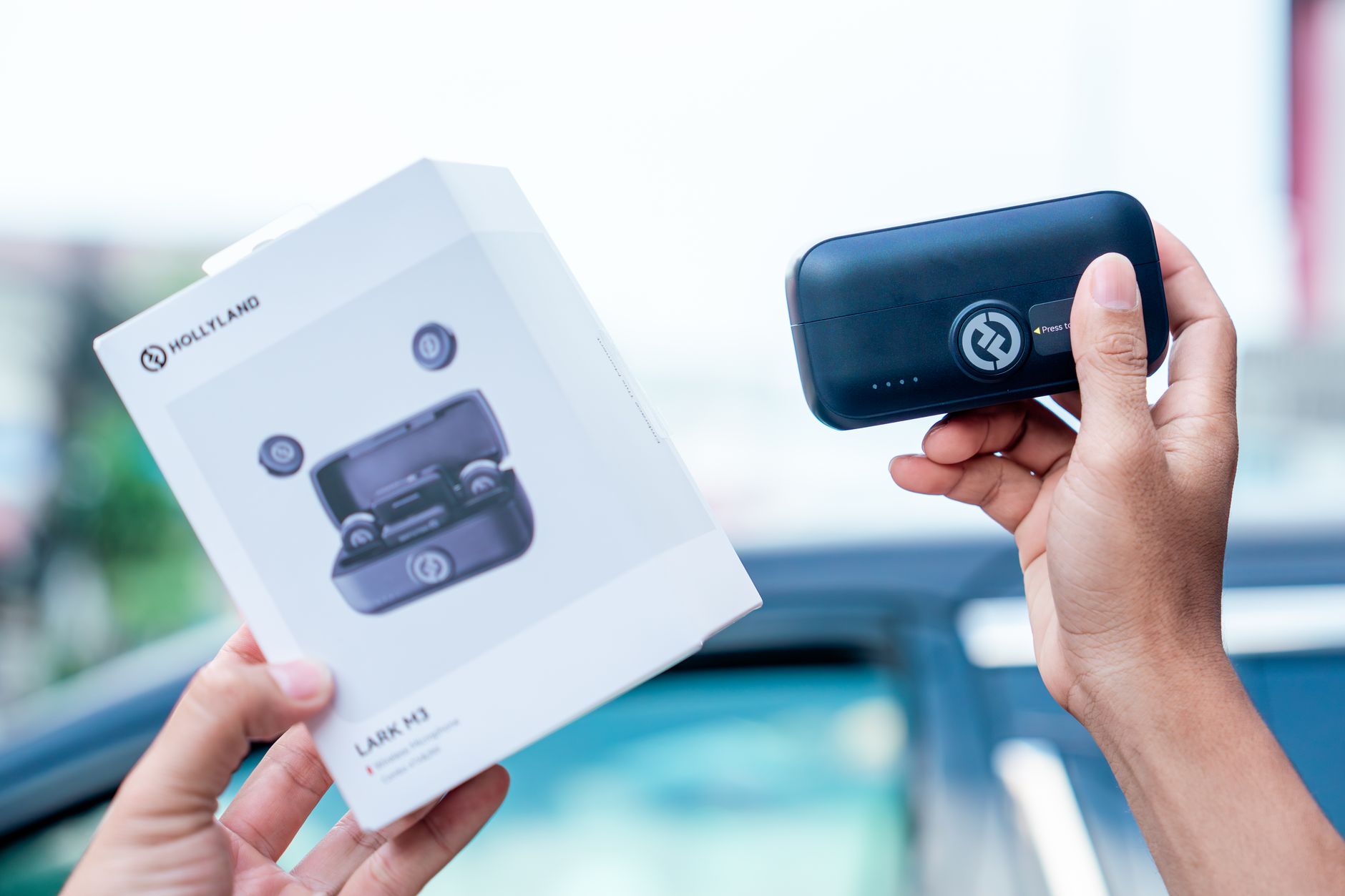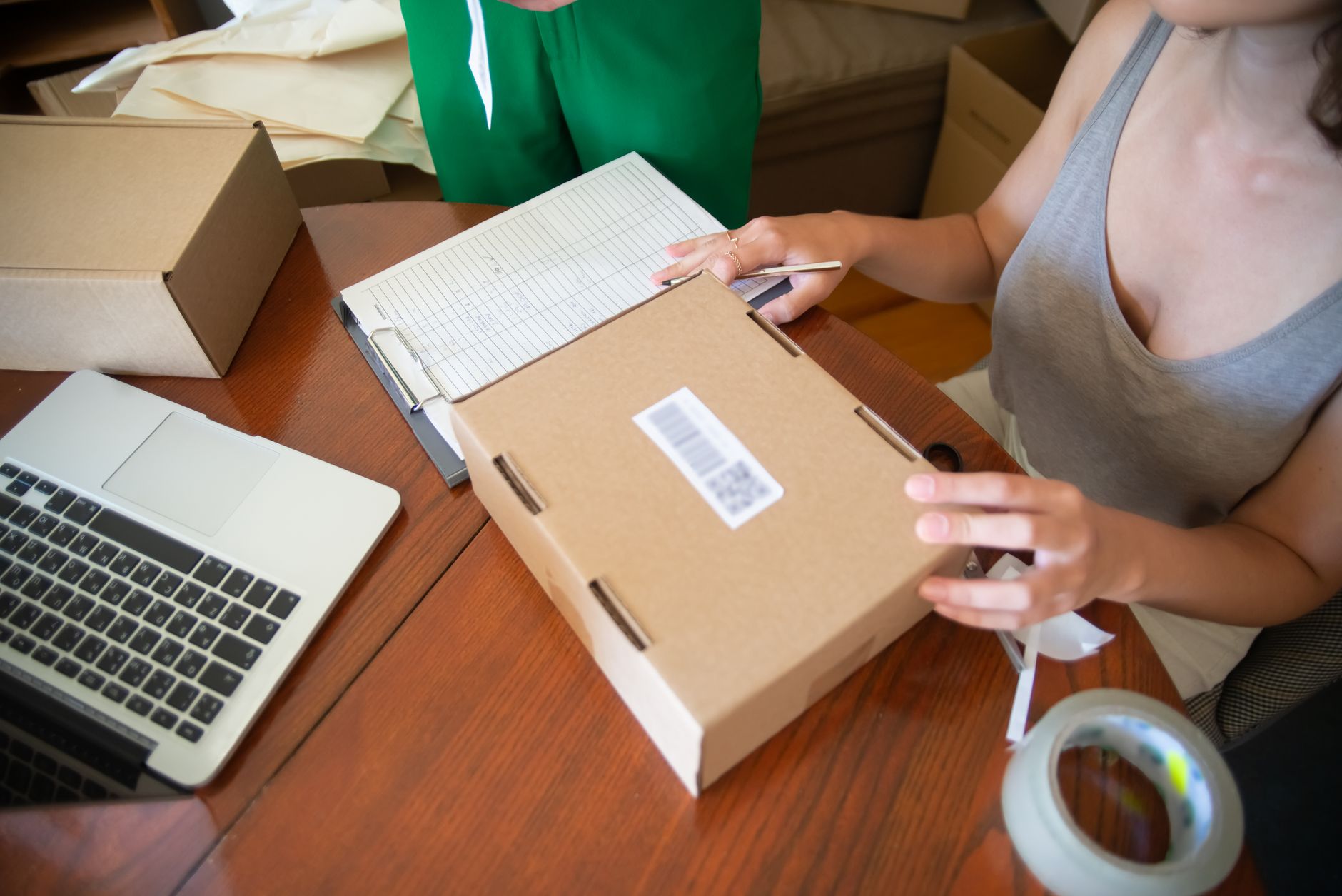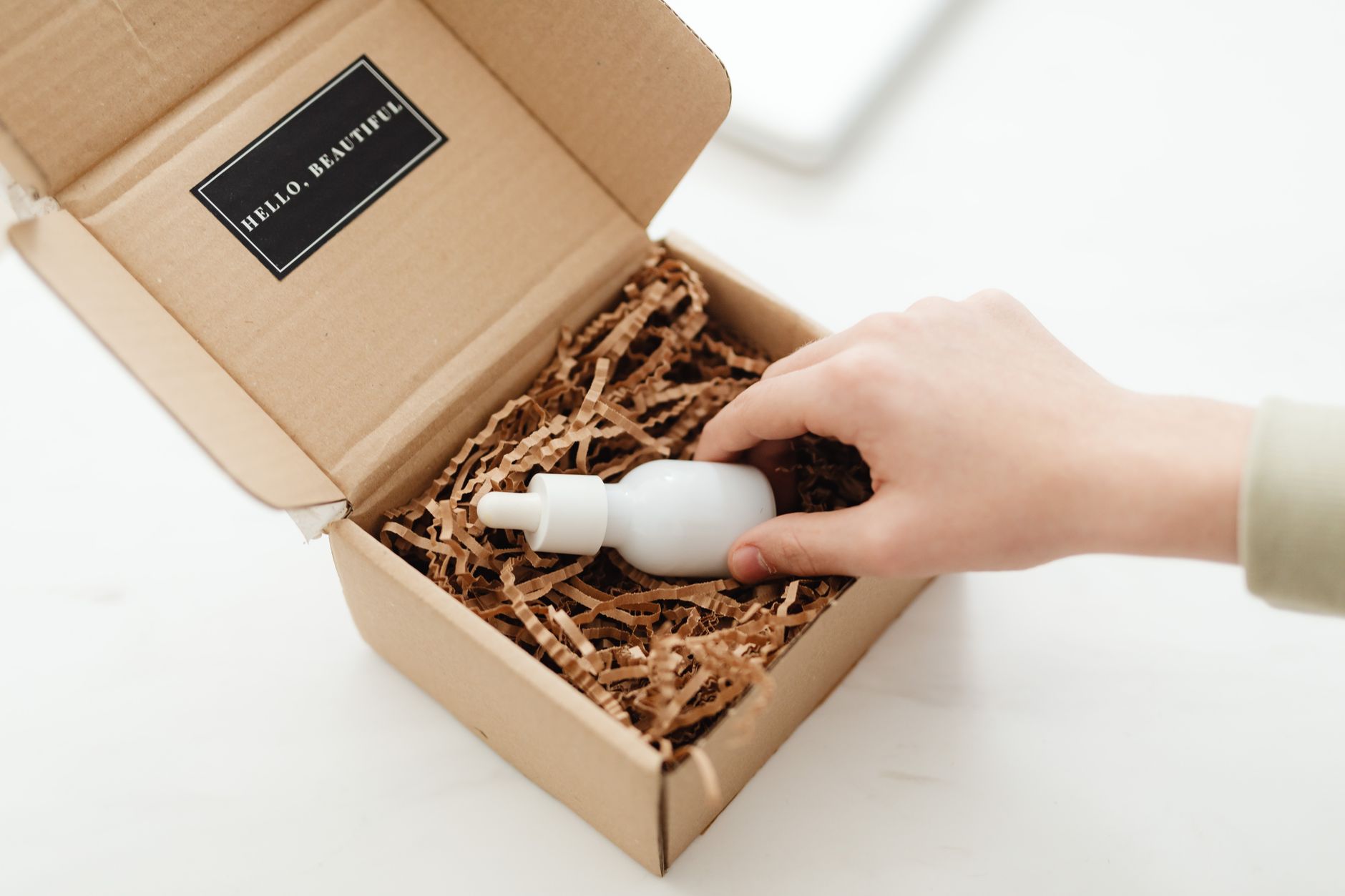
You send fifty units of your new serum to fifty creators. Three weeks later you have four posts, two of them barely mentioning the product, and a spreadsheet full of tracking numbers that went nowhere. This is what happens when seeding is treated as a mailing list rather than a campaign.
A product seeding campaign strategy is the difference between free product turning into content and free product turning into silence. It works when you choose the right people, tell them what you actually want, time the send around a moment they'll care about, and follow up like you mean it.
What does a product seeding campaign strategy actually involve
A product seeding campaign strategy is a repeatable process for sending gifted product to creators in a way that produces content and, ideally, sales, rather than just goodwill. It has four parts: who you send to, what you ask them to do in return, when the product arrives relative to a launch or moment, and how you chase the content once it should exist.
Most brands only do the first part. They pick names off a list, ship, and hope. The strategy is in the other three parts, because that's where posts either happen or don't.
Who should you seed product to
Seed to people who already talk about the category you're in, not people who talk about everything. A creator who reviews skincare regularly has an audience that expects skincare content from them, and their followers are more likely to trust a recommendation that fits the feed they already scroll.
Check whether they've posted unpaid content about products before. That's a sign they post because they want to, not only when there's a fee attached. It's also worth looking at whether they reply to comments and post consistently, since a creator who's gone quiet for months is unlikely to suddenly post about your product.
On Linkable, applications to a new campaign start arriving within a day, which gives you a pool to choose from rather than a cold list you built yourself. You can review who applied, check their previous content, and approve the ones who fit, instead of guessing from a spreadsheet. If you haven't set that pipeline up yet, our guide to onboarding your first ten creators walks through it.
What should you actually ask for
Say clearly, before you ship anything, that you'd like a post in exchange for the product, and be specific about what a post looks like. Vague asks get vague results, or no result at all, because the creator doesn't know if you're expecting a full review, a quick story, or nothing.
You don't need a rigid script. You do need to say what the product is for, what problem it solves, and any claim you can't have misrepresented (a supplement's dosage, a skincare product's suitability for sensitive skin). A clear brief also stops the awkward back-and-forth of a creator posting something you then have to ask them to take down. If you want a structure for this, our creator brief template covers what to include so you're not reshooting or re-briefing halfway through.
Gifted seeding works best as an entry point, not your whole strategy. Once someone posts well from a gifted send, that's your signal to move them to a paid or affiliate arrangement where the incentive to perform is stronger. Our comparison of gifted and paid collaborations has more on when to make that switch.
When should the product arrive
Timing matters more than most brands assume. Say you're launching a new coffee blend in a few weeks. If product lands with creators the same week it goes live on your site, their post can point to a real product page and a working discount code, and any traffic they send actually converts. If it lands two months early, the moment has passed by the time they post, and if it lands two months late, they've moved on to something else.
Around a launch, batch the send so it arrives close together. Staggered arrivals mean staggered posts, which is fine for evergreen products but works against you when you want a wave of content around one date. Build in a few extra days for shipping delays so the product doesn't arrive after the moment it was meant for.
How do you follow up without sounding like you're chasing a favour
Follow up because most creators need a reminder, not because they've forgotten they agreed. A short check-in a week or two after delivery, asking how the product's working out and when they're planning to post, does more than a generic nudge that just asks if the content is done.
If nothing's posted after a reasonable window, it's fine to ask directly whether they're still planning to. Some won't, and that's useful information for who you send to next time. Track this per creator so you can see who consistently delivers and who takes product and disappears, then weight future sends toward the ones who show up. Our activation playbook has more on turning that first response into a repeatable relationship.
How do you know the campaign worked
Judge a seeding campaign on content delivered and, where you can track it, sales driven, not on units shipped. If you gave a creator a unique link or discount code, you can see whether their post actually sent orders, which tells you far more than follower counts ever will. Reporting on content, reach, engagement and tracked sales per creator, which Linkable shows per campaign, makes it obvious quickly which creators are worth sending to again.
If you're still working out what to measure and how, our piece on measuring creator marketing ROI goes into more detail than a seeding-specific article can.
Pick your next batch of creators this week, write down what you're asking each one to post before you ship anything, and set a calendar reminder to follow up at the two-week mark. That single habit, following up on time, fixes more silent seeding campaigns than any amount of extra product ever will.
Frequently asked questions
How much product should you send in a seeding campaign
Send enough for the creator to actually use and show the product properly, which usually means the full-size item rather than a sample. Sending less to save cost tends to produce weaker content because the creator has less to work with.
Should you ask creators to sign anything before seeding product
A simple agreement covering what you're asking for and any usage rights you want is worth having, even for gifted collaborations. It avoids disputes later about whether a post was owed or whether you can reuse their content in ads.
What's the difference between seeding and an affiliate campaign
Seeding is a gifted product sent with the hope of a post, while an affiliate campaign pays the creator a commission on sales they generate through a tracked link or code. Many brands use seeding to find creators worth moving into an affiliate arrangement.
How many creators should you seed to at once
Start with a smaller, carefully chosen group rather than a mass send, since quality of fit matters more than volume for getting posts back. You can widen the pool once you know which types of creators actually follow through.
Creators apply, you choose who to work with and Linkable handles the rest.
Start your free trial