Say you run a skincare brand with a vitamin C serum and a small but loyal repeat customer base. You send product to a dozen creators, get back a dozen videos that all say some version of "obsessed with this", and none of it moves sales. The problem usually isn't the creators. It's that skincare content needs a different brief than a hoodie or a coffee bag.
What makes creator marketing for skincare brands different
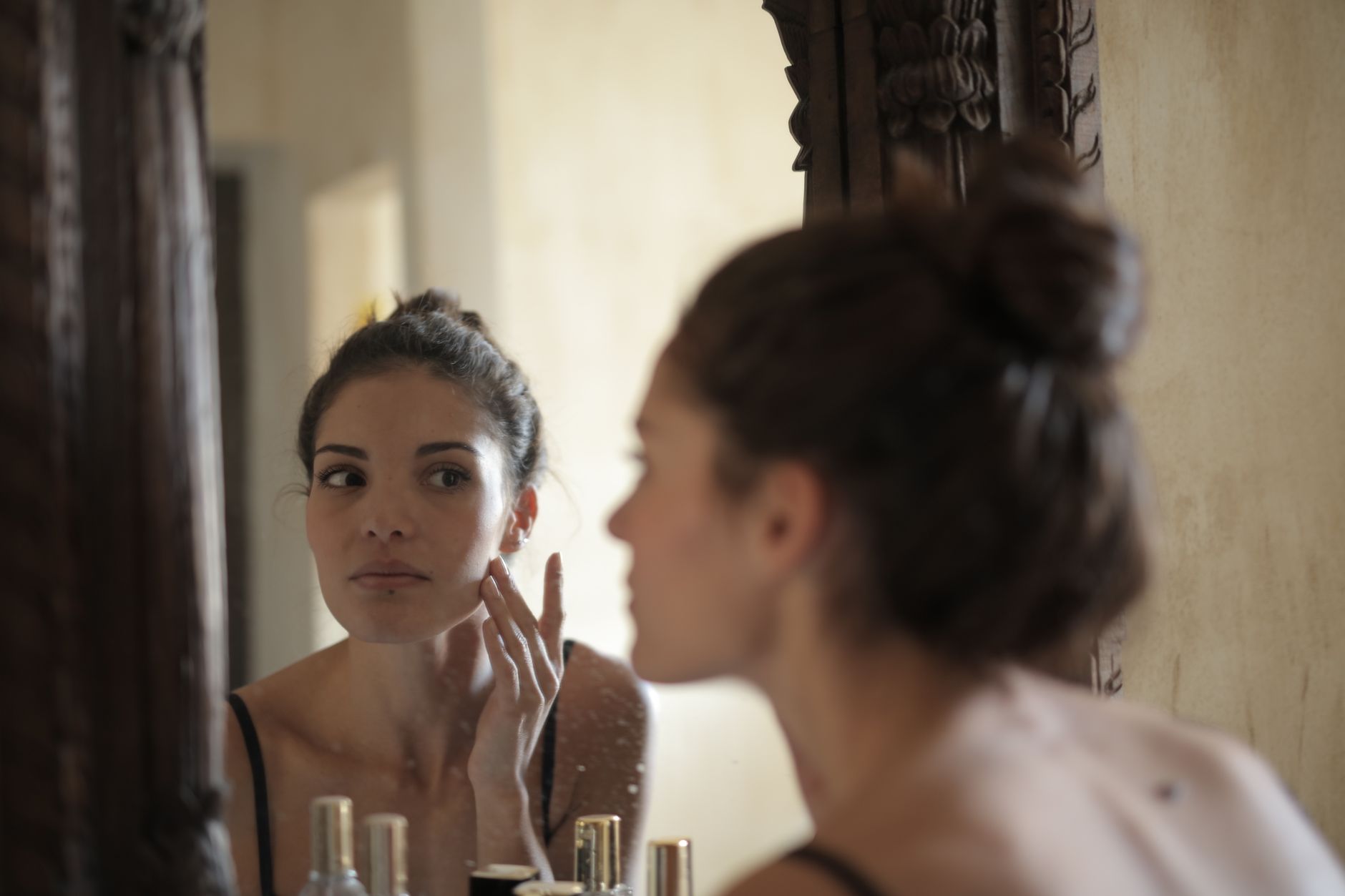
Creator marketing for skincare brands works differently because the product needs to be used, not just shown, for anyone to believe it does anything. A t-shirt sells on one shot. A serum needs a routine, a timeframe, and some sense of what skin type the creator has, because viewers are matching the creator's skin to their own before they trust the claim.
That means the brief matters more here than in almost any other category. You're not asking for a nice flat lay. You're asking for someone to show how the product fits into a morning or evening routine, over more than one clip, in normal light. Our creator brief template for ecommerce covers the general structure, but skincare needs extra detail layered on top: skin type, known concerns (breakouts, sensitivity, dryness), and how long they've actually been using the product before they post.
How should skincare brands handle before-and-after content
The safest approach is to treat before-and-afters as evidence, not decoration, and to only ask for them when a creator has genuinely used the product for the length of time it takes to see a change. That usually rules out gifted campaigns where product arrives one week and content is due the next.
If a creator wants to do a before-and-after, agree the terms upfront: same lighting, same angle, same time of day for both shots, and no filter or editing that changes skin texture or tone. Ask them to say plainly in the caption or voiceover how long they used the product and what else was in their routine during that time. A viewer who sees an unexplained jump from breakout to clear skin in a week will assume it's fake, even if it isn't, and that damages trust in the brand as much as the creator.
If you're not confident a creator will hold that line, don't ask for a before-and-after at all. A routine video with an honest "here's how it's felt so far" does more for a skincare brand than a dramatic transformation that gets questioned in the comments.
What can creators actually say about ingredients and results
Creators should describe how a product feels and fits their routine, and stick to language you've approved for specific ingredient or medical claims. This is the part most brands under-brief. "Clears breakouts" or "reduces fine lines" are the kind of claims that get products, and creators, into trouble if they're not backed by what you can substantiate.
Give creators a short list of what they can say and what to avoid, in plain language rather than legal copy. Something like: talk about texture, scent, how it layers with other products, and how your skin felt after use. Avoid words like "cures", "heals", or naming specific skin conditions unless that's been agreed with you directly. Most creators are happy to follow this once it's written down. Very few will push back on a clear, short list, because it protects them too.
Which creators actually sell skincare
The creators who move skincare sales are usually the ones with a visible, consistent routine, not the ones with the biggest following. Someone who posts their morning routine every week, with the same handful of products rotating in and out, has an audience that trusts their opinion on what's worth adding. That's a far stronger position to sell from than a one-off unboxing.
Look for creators whose skin type and concerns are close to your target customer's, since that's what makes the before-and-after or the routine credible to a viewer. Dermatologist-adjacent creators (nurses, estheticians, people who talk knowledgeably about ingredients without being medical professionals themselves) tend to convert well for skincare because they answer the
For discovery, how to find creators for your Shopify brand every month walks through the search and outreach side. On Linkable, you can also let creators apply directly to a skincare campaign, which tends to surface people who already talk about skin and routines rather than general lifestyle creators who happen to like your packaging.
Structuring the deal so skincare content actually pays off
Gifted product works for early routine content and awareness, but skincare is a repeat-purchase category, so affiliate commission on tracked sales rewards creators for the customers who come back, not just the ones who click once. A mix often works best: gift the product for the first video, then move to an affiliate link once you can see the content is landing.
Our post on gifted vs paid creator collaborations goes into how to choose between the two. On Linkable, affiliate sales are tracked through unique creator links and discount codes, so you can see which routine-focused creators are actually driving repeat orders rather than just views, and pay out through the platform. If you're weighing whether to run this yourself or hand it off, Linkable's managed service can plan and manage skincare campaigns for you.
This week, pick one product where you can honestly support a before-and-after claim and write the ingredient and results language you're comfortable with creators using. Brief three or four creators with real, matching skin concerns before you send anything to a wider list.
Frequently asked questions
Do creators need to disclose that skincare products were gifted
Yes, gifted or paid content needs a clear disclosure such as #ad or #gifted in line with advertising standards, and this should be part of every brief regardless of category.
How long should a skincare creator use a product before posting
There's no fixed rule, but any routine or before-and-after content should reflect enough real use that the result is credible, which usually means weeks rather than days.
Can skincare brands use gifted campaigns for repeat customers
Gifted campaigns work well for a creator's first piece of content, but because skincare relies on repeat purchase, moving to affiliate commission on tracked sales rewards creators for customers who keep buying.
Creators apply, you choose who to work with and Linkable handles the rest.
Start your free trial