You run a gifted collaboration, a creator sends back a nice video, you post it once on Instagram and move on. Three weeks later you're briefing a new creator for product page content, writing a cold email from scratch, and paying for an ad shoot you didn't need. The video that already did the hard work is sitting in a folder.
What does repurposing creator content across channels actually mean
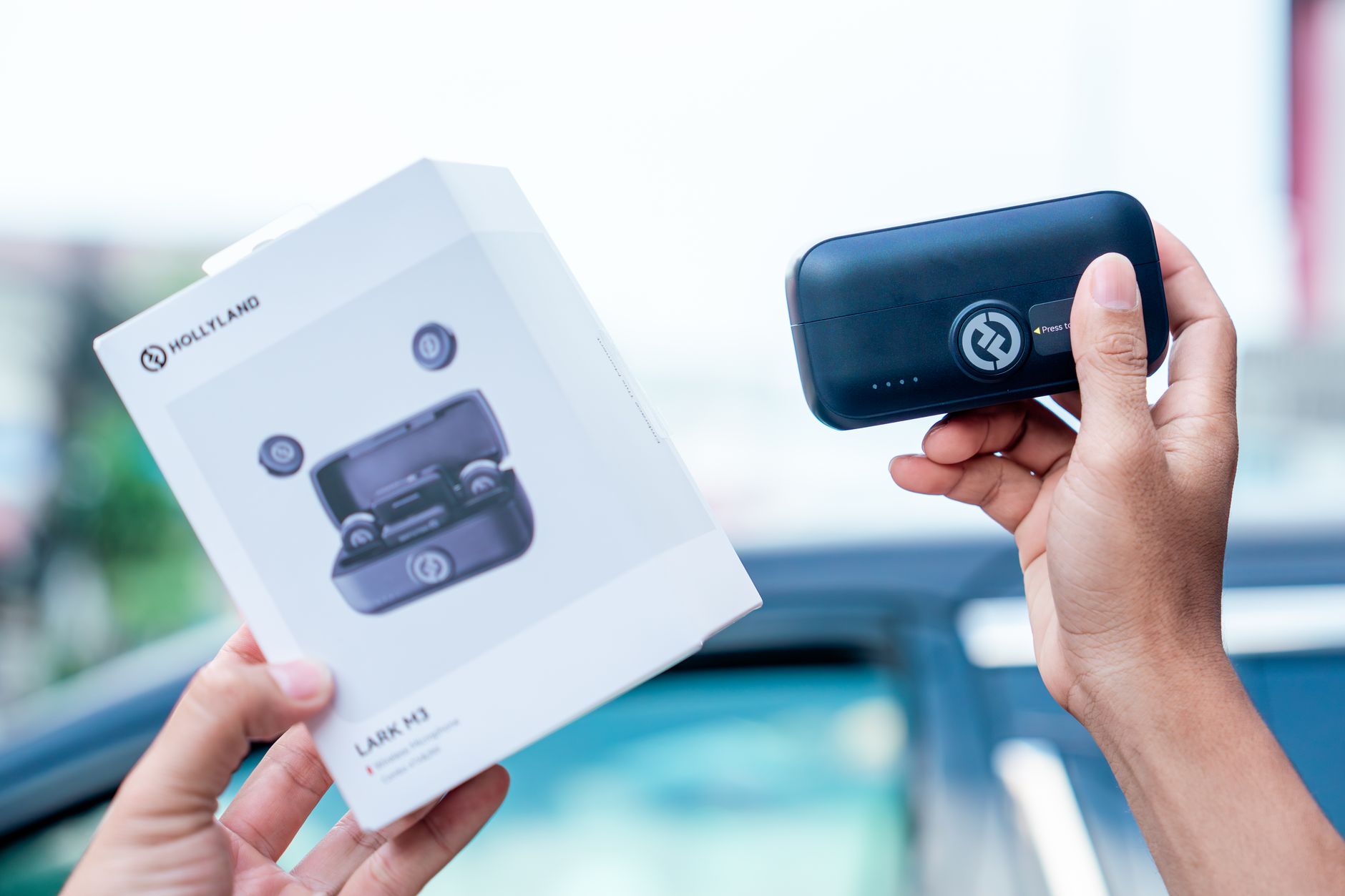
It means taking the content from a single collaboration (a video, a set of photos, a voiceover) and placing cut-down or re-edited versions of it on your product pages, in email, in paid ads and across organic social, instead of using it once and archiving it. One good collaboration can realistically produce a product page clip, two or three email assets, an ad variant and several social posts.
The limit usually isn't the content. It's whether you secured the rights to use it beyond the original post, and whether you ask the creator properly.
Where one piece of content can go
Start with the product page. A fifteen second clip of someone applying a serum or unboxing a coffee bag answers questions a bullet list can't: how it smells, how it feels, how long it takes. Crop the creator's original video down to the moment that matters and drop it near the add-to-cart button.
Email is the next obvious home. A still from the video with the creator's line as a quote, or the full clip embedded in a launch email, gives you a subject line and a visual without commissioning anything new. If the creator mentioned a specific use case (travel size, gifting, a skin concern) that's a segment-specific email on its own.
Paid ads are where repurposed content earns its keep fastest. Creator footage tends to outperform polished brand footage in cold-audience ads because it looks like something a friend sent you, not an advert. If the creator is comfortable with it, this is also where creator whitelisting and Spark Ads come in: running the ad from the creator's own handle rather than yours.
Organic social is the lowest-effort reuse. Repost with credit, cut a longer video into three shorter ones for different hooks, or pull a single frame for a carousel post. None of this requires new rights if you've already covered social reposting in your agreement, but it's worth checking before you assume.
What rights do you need to repurpose creator content
You need explicit written permission for each channel you intend to use the content on, ideally agreed before the collaboration starts rather than negotiated after you've already found a clip you love. Permission to post on Instagram does not automatically cover running the same clip as a paid ad, putting it on your website, or using it in email. Each of those is a separate ask in most creators' minds, even if it feels like the same content to you.
The cleanest way to handle this is to cover it in the brief or contract stage, not after delivery. Our creator contract essentials and creator brief template both cover how to specify usage rights, duration and channels so you're not chasing approvals mid-campaign. If you're setting up a new campaign on Linkable, the brief fields are a natural place to state this up front so every applicant sees it before they say yes.
Paid usage and whitelisting need separate sign-off
Running a creator's face in a paid ad, especially one that targets a cold audience at scale, is a bigger ask than a single organic post. Many creators price this differently to a standard collaboration, and some won't allow it at all. Ask specifically, don't assume a gifted collaboration includes paid usage, and put the duration in writing (ninety days, six months, indefinite) because
open-ended usage without an end date is one of the more common sources of friction later.
How do you keep this from feeling like you're exploiting the creator
You keep it fair by paying for the extra use, crediting consistently, and telling the creator where their content ended up. If a gifted post turns into a paid ad that runs for months, that's no longer a gifted collaboration, it's a paid usage licence, and it should be compensated as one. Say a coffee brand gifts a bag to a creator who posts a brewing video; if that same video ends up on the product page and running as a Spark Ad for a quarter, the brand owes that creator more than the free bag covered.
Credit the creator wherever the content appears, not just on the original post. A tag on the product page, a name in the email footer, a handle in the ad's caption where the platform allows it. It costs you nothing and it's the difference between a creator who's happy to work with you again and one who finds their own face on your site and feels used.
Tell the creator when you reuse something. A short message saying their video is now on your product page or running as an ad keeps the relationship transparent and often prompts them to reshare it themselves, which is free reach for you. This is the kind of detail that separates brands creators keep applying to from ones they avoid, something we cover in the creator activation playbook.
Building repurposing into how you brief and track campaigns
The fix isn't a reminder to reuse content after the fact, it's building the rights conversation and the distribution plan into the brief before the collaboration starts. Decide at the brief stage which channels you want to use the content on, state the rights needed for each, and agree pricing or terms for paid usage upfront so you're not renegotiating after you've already fallen for the footage.
On Linkable, campaign and creator insights show you what content came out of each collaboration and how it performed, which makes it easier to spot which pieces are worth the extra rights conversation rather than guessing. If you'd rather have someone handle the sourcing and rights conversations for you, that's part of what the managed service covers.
This week, open your content folder from your last two or three collaborations and check which pieces never left the original post. Pick the best one, confirm what rights you actually have for it, and get it onto your product page or into your next email before you brief anything new.
Frequently asked questions
Can I repurpose gifted content the same way as paid content
Only for the uses the creator agreed to. Gifted collaborations usually cover a single organic post; anything beyond that, especially paid ads or long-term website use, needs separate permission and often separate payment.
How long should a usage rights agreement last
State a specific duration in the agreement, such as ninety days or six months, rather than leaving it open-ended. Indefinite usage without a stated end date is a common source of disputes later.
Does reposting creator content on my own social count as repurposing
Yes, and it's usually the easiest form since many agreements already cover organic reposting. Still confirm it in writing rather than assuming, since some creators only agree to the original platform and format.
Should I pay more for a creator whose content performs well across channels
Generally yes. If a single video ends up on your product page, in email and as a paid ad, that's broader usage than the original agreement likely covered, and the creator's fee or commission should reflect that.
Creators apply, you choose who to work with and Linkable handles the rest.
Start your free trial