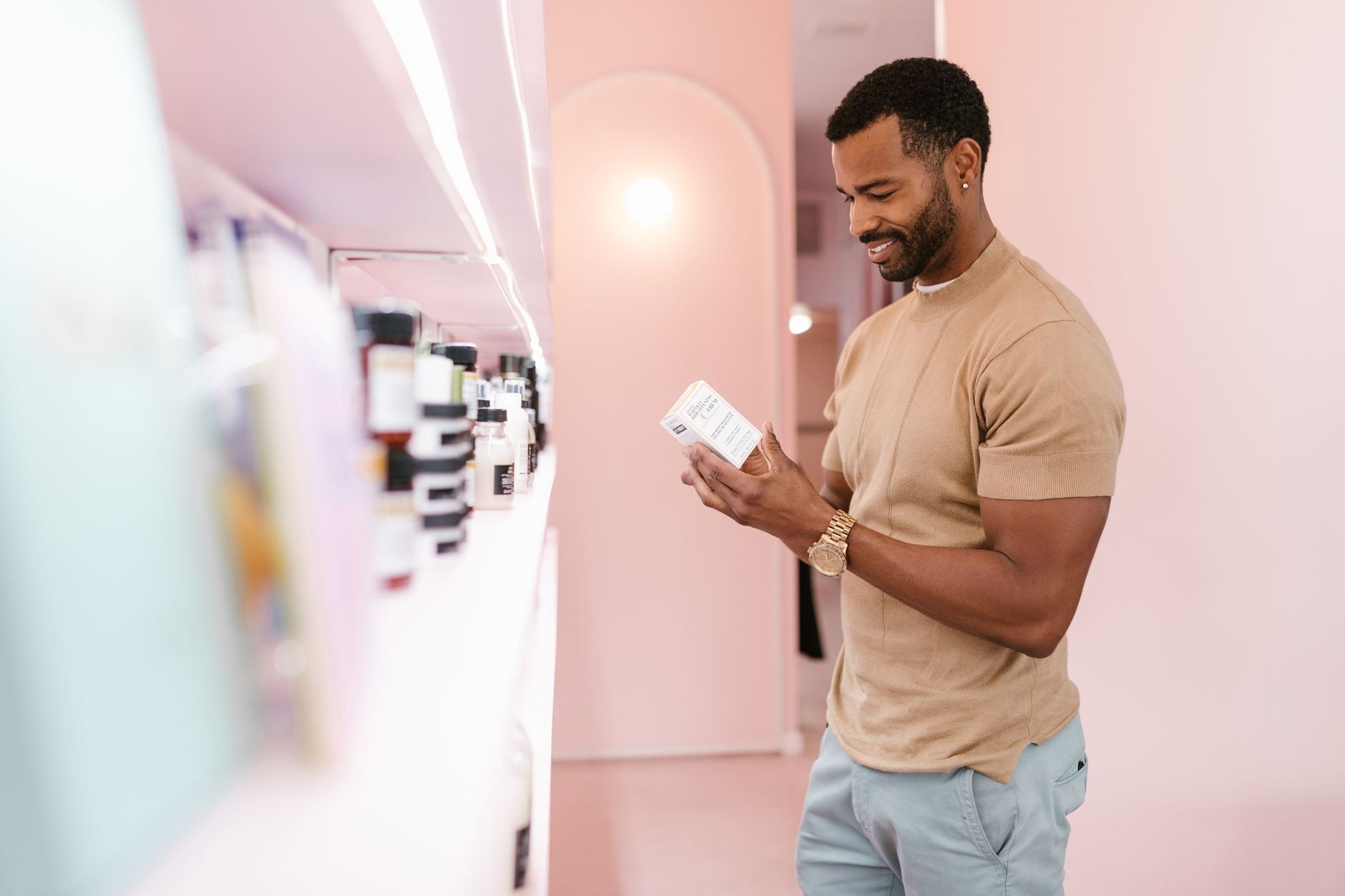
A brand sends a skincare serum to a creator for free, gets back a strong video, and runs it as a paid ad on Instagram the following week. The creator messages asking why their face is being used in an ad they never agreed to and were never paid for. The brand is confused too, because the product was free, so surely the content was free as well.
Creator content usage rights explained simply: gifted product usually buys you the right to have the content made and reposted on your own organic channels. It does not buy you the right to pay to put that content behind an ad. That single gap causes more arguments between brands and creators than fee negotiations ever do, because nobody wrote the terms down before the content existed.
What does sending free product actually buy you?
On its own, gifting buys you a piece of content and the right to repost it on your brand's own social accounts and website, assuming the creator agreed to that when they accepted the product. It does not include paid promotion, email use, print, or putting the creator's face on packaging. Those are separate rights that need separate agreement, usually with separate payment.
Brands assume that because they paid for the product, they own the output. Creators see it differently: they gave their time, their face and their audience's trust for free, in exchange for the product and the exposure of posting it themselves. Paying to run that same content as an ad to a much bigger audience is a different ask, and most creators expect something for it, even if it is small.
Does gifted product give you the right to run content as a paid ad?
No, not unless the creator has specifically agreed to it. This is the assumption that causes the most disputes in creator marketing, and it almost always comes from brands treating free product as if it were a full content licence. Running gifted content as a paid ad without that agreement is not just a relationship problem, it can breach platform rules on ad disclosure and creator consent.
If you want paid usage, ask for it before the content is made, not after you have seen how good it is. Say you run a coffee brand and send bags to a creator who posts a brew tutorial that performs well organically. If you want to turn that into a paid ad the following week, you need to go back to the creator, agree a usage fee or an extended rate, and get it in writing. Waiting until the content exists to ask puts you in a weak negotiating position and the creator in an understandably annoyed one.
What should a usage rights agreement actually cover?
A usage agreement should state which platforms the content can run on, whether that is organic only or includes paid media, how long the rights last, and whether the brand can edit or repurpose the footage for other formats. It should also say who owns the raw files if you want to reuse clips later. None of this needs to be complicated, but it does need to exist somewhere the creator actually signed off on, not buried in a gifting email they skimmed once.
Our creator contract essentials for small brands post covers the specific clauses worth including, and if you are still deciding between gifted and paid structures for a campaign, gifted vs paid creator collaborations walks through when each one makes sense. On Linkable, usage terms are set as part of the campaign before creators apply, so there is no ambiguity once content comes back.
How does whitelisting change what you need to agree?
Whitelisting, where a brand runs ads directly from the creator's account rather than reposting the content from its own, is a step further again and needs its own permission, usually granted through the ad platform itself rather than a simple yes in a message. It gives the ad the creator's handle and engagement history, which performs differently to the same video posted from a brand account, so it is often worth paying extra for specifically.
If you are running Spark Ads on TikTok or the Instagram equivalent, get the access code or authorisation from the creator as a distinct step in your workflow, not an assumption baked into the gifting terms. Creator whitelisting and Spark Ads explained goes into how the authorisation actually works and what it typically costs on top of the original fee or gift.
What do you do if a creator says no to paid usage?
Respect it and move on, or offer a usage fee that changes their mind. Pushing a creator to agree after they have already declined, or running the content anyway because you assume nobody will notice, is how brands end up with takedown requests and public complaints instead of a working relationship. Most creators will say yes to paid usage for a reasonable fee if you ask early and make the terms clear, so the easier fix is building the question into your campaign setup rather than treating it as a negotiation you have after the fact.
If you are setting up campaigns on Linkable, add your usage terms to the brief at the point creators apply, so everyone agrees before a single piece of content gets made. It is a smaller step than it sounds, and it removes the single most common source of friction between brands and the creators they work with.
This week, pull up your last three gifted campaigns and check what each creator actually agreed to about usage. If any of that content is running as a paid ad without a clear yes from the creator, pause it and get the agreement sorted before you spend another pound on it.
Frequently asked questions
Do I need a written agreement for gifted product collaborations?
Yes. A short written agreement covering what the creator will post, where you can repost it, and whether paid usage is included protects both sides and avoids disputes once content performs well.
How long do usage rights typically last?
There is no standard length, which is exactly why it needs to be stated. Many brands agree a fixed period such as a few months of paid usage rather than an indefinite licence, so put a clear end date in the agreement.
Can I edit a creator's video into other formats without asking?
Not unless the agreement says so. Cutting a long video into shorter clips, adding captions, or reusing footage in a different ad counts as repurposing and should be covered in the original usage terms.
What happens if I run content as an ad without the creator's agreement?
You risk the creator requesting a takedown, raising the issue publicly, or refusing future collaborations with your brand. It can also breach platform rules on ad disclosure, so it is worth sorting usage terms before you post rather than after.
Creators apply, you choose who to work with and Linkable handles the rest.
Start your free trial