Say you post skincare routines to a few thousand followers. You watch creators with huge audiences get sent box after box, and it is easy to assume brands only want reach. They do not, not always, and not first.
Can you get brand deals with a small following
Yes. Brands look for creators whose audience fits their products, not only large followings, which means a small account that clearly matches a brand's buyer has a real shot at a reply. The deal is not size, it is fit: does your audience look like the people who already buy from this brand.
A brand selling a niche supplement would rather reach five hundred people who actually care about the ingredient than fifty thousand who scroll past it. Small accounts tend to have tighter, more specific audiences, and that specificity is the whole pitch.
What should you show instead of follower count
Lead with who watches you, not how many. A brand deciding whether to send product wants a picture of your audience: what they're interested in, what else they buy, why they follow you specifically. Screenshots of comments asking
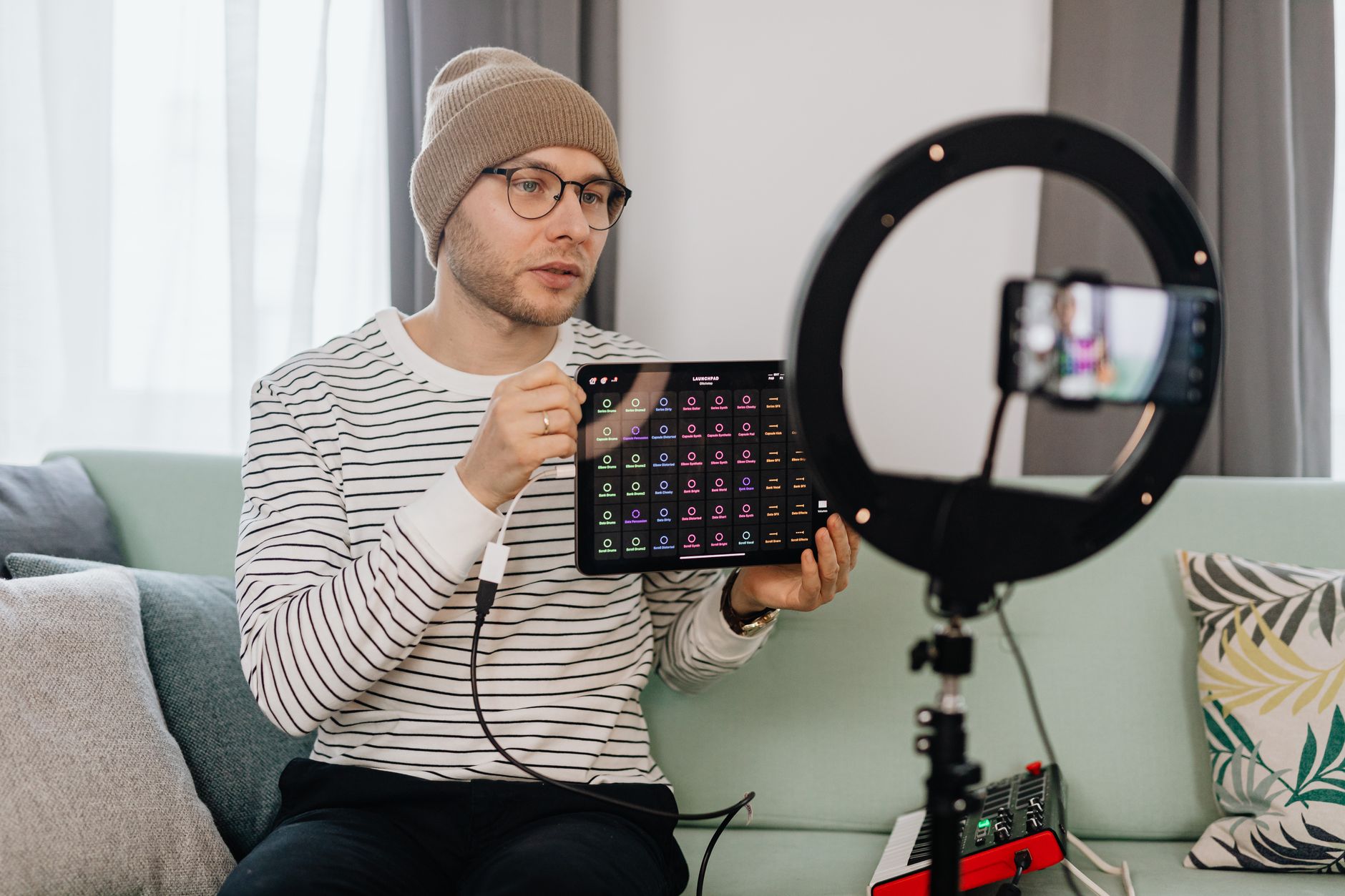
Show the content itself. A short clip of you demonstrating a routine, trying a product on camera, or explaining why you switched skincare brands tells a brand more about your style than any number does. If you have done unpaid shout outs for products you bought yourself, those are proof, not noise, so include them.
Engagement matters more than reach at small scale. A post where half your followers comment with real questions says more than a bigger account with silent likes. If you are building this up from nothing, How to Get on a Brand PR List as a Small Creator walks through building that kind of proof over time.
Which brands say yes to small creators first
New or small ecommerce brands, not big established ones, are usually the first to say yes to a small creator. A brand that just launched or is still finding its audience needs content and word of mouth more than it needs a creator with a big following, and it is also more willing to experiment with gifted product before committing to a fee.
Brands running affiliate programmes are worth targeting too, since the arrangement rewards actual sales rather than reach: you earn commission on what your audience buys through your link, so a brand has little to lose by saying yes to someone with a small, engaged following. Look for brands that already work with creators who look like you, in size and style, not just the biggest names they've worked with.
How do you pitch when you have no track record
Be specific about why you, not why brands in general. Name the product, say why it fits your routine or your audience, and suggest exactly what you'd make: a short demo, a before and after, a try on. Vague pitches get skipped because the brand has to do the work of imagining the content, so do that work for them.
Keep the ask small the first time. Offer to try one product for free rather than asking for a fee up front, since a brand that has never worked with you is more likely to say yes to a low-risk first step. If you want the exact structure and wording for that first message, Brand pitch email template for creators that works has one, and How to Pitch a Brand for a Collaboration That Gets a Reply covers the full approach beyond the template.
Where Pitch fits into this
Writing a tailored pitch for every brand you want to work with takes time, and most pitches get no reply regardless of how good they are, so volume matters as much as quality. Pitch picks brands that fit your niche and audience, writes the pitch from your profile, and lets you edit it before it goes out. It finds the person at the brand who handles creator partnerships, sends it, and follows up for you, which means you can try more brands without starting from a blank page each time.
This week, pick three brands whose products you'd genuinely use, write down one specific piece of content you'd make for each, and send a pitch. Not ten brands, three, done properly, with your audience and your content doing the talking instead of your follower count.
Frequently asked questions
Do I need a media kit to pitch a brand with a small following
It helps but is not required. A media kit (a short document showing your audience, your best content and past collaborations) makes you look prepared, but a clear, specific message with a few content examples attached works just as well when you are starting out.
Should I ask for payment or offer to work for free product first
With no track record, offering to try one product for free lowers the risk for the brand and makes a yes more likely. Once you've delivered good content, you can work out a fee based on your time, the deliverables and whether the brand wants usage rights or exclusivity.
How many brands should I pitch before I hear back
Expect most pitches to get no reply, especially at the start, so treat early silence as normal rather than a sign you're doing something wrong. Sending a steady, small number of well-matched pitches each week works better than one big batch sent once.
Does it matter which platform I post on, Instagram or TikTok
Brands care more about whether your audience fits their product than which platform you use. Pick the platform where your content and audience are strongest, connect it so your audience details show clearly, and pitch from there.
Pick a brand, Linkable writes the pitch and sends it to the person who runs partnerships. 10 pitches a month are free.
Start pitching for free